What Causes Poor Water Pressure?
Turning on a tap and seeing only a weak trickle can make showers, cleaning, and laundry far more time‑consuming than they should be. Low water pressure often points to an issue somewhere in the plumbing system, ranging from a simple fixture problem to aging pipes that need attention. This overview explains what causes poor water pressure, highlighting faulty fixtures or closed valves, hidden leaks, and clogs or buildup inside supply lines.
Faulty Fixtures or Closed Valves
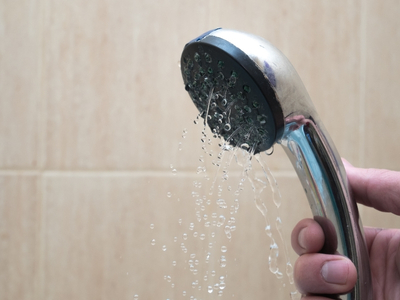 Isolated low water pressure almost always traces back to the specific faucet or showerhead. Small passages in aerators, cartridges, and spray nozzles collect grit, rust, and scale over time. This buildup narrows openings and acts like a partial clog, cutting down the flow rate even when supply pressure is normal. Removing and cleaning the component—or replacing a heavily worn fixture—usually restores performance.
House‑wide pressure loss often involves valve settings. After plumbing work or emergencies, the main water shutoff valve or the water meter valve may be left partially closed. Because these controls regulate the entire incoming supply, even a modest restriction can create poor water pressure at every tap. A trained plumber can verify that both valves are fully open and operating correctly.
Water Leaks
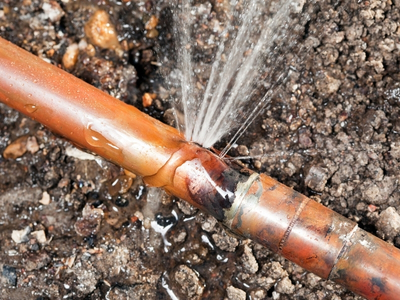 A concealed leak in a pressurized line can also cause low water pressure throughout the property. When water escapes from a crack, pinhole, or loose joint, less volume remains available for fixtures downstream. Warning signs of a water leak include:
- Damp patches on walls, ceilings, or floors
- Unexplained standing water in the yard
- The sound of running water when fixtures are off
- A water bill that climbs without a clear explanation
Professional water leak detection equipment pinpoints the source so targeted water leak repair can be completed. Once the leaky section is fixed, pressure at sinks, showers, and appliances often improves noticeably.
Clogs and Buildup
In older plumbing systems, the internal pipe condition becomes a major factor. Decades of mineral‑rich water can leave layers of limescale and other buildup clinging to the inside of pipes. Corrosion in aging metal lines produces rust flakes that drift and settle, forming stubborn clogs at elbows, tees, and valves. As these obstructions grow, the effective diameter of the pipe shrinks, and water must squeeze through narrower pathways, leading to low water pressure at multiple fixtures.
Depending on how advanced the problem is, solutions may include flushing isolated sections, replacing short runs of pipe, or planning more extensive repiping. Addressing clogs and buildup not only restores better pressure but also helps protect fixtures and appliances from ongoing restriction and damage.
About Green Hills Plumbing
Green Hills Plumbing is a locally- owned and operated plumbing company providing emergency service and friendly expertise to Nashville and the surrounding communities. They offer upfront pricing, knowledgeable, trusted technicians, and a customer satisfaction guarantee. Call them today for fixture replacement in Nashville, TN.